
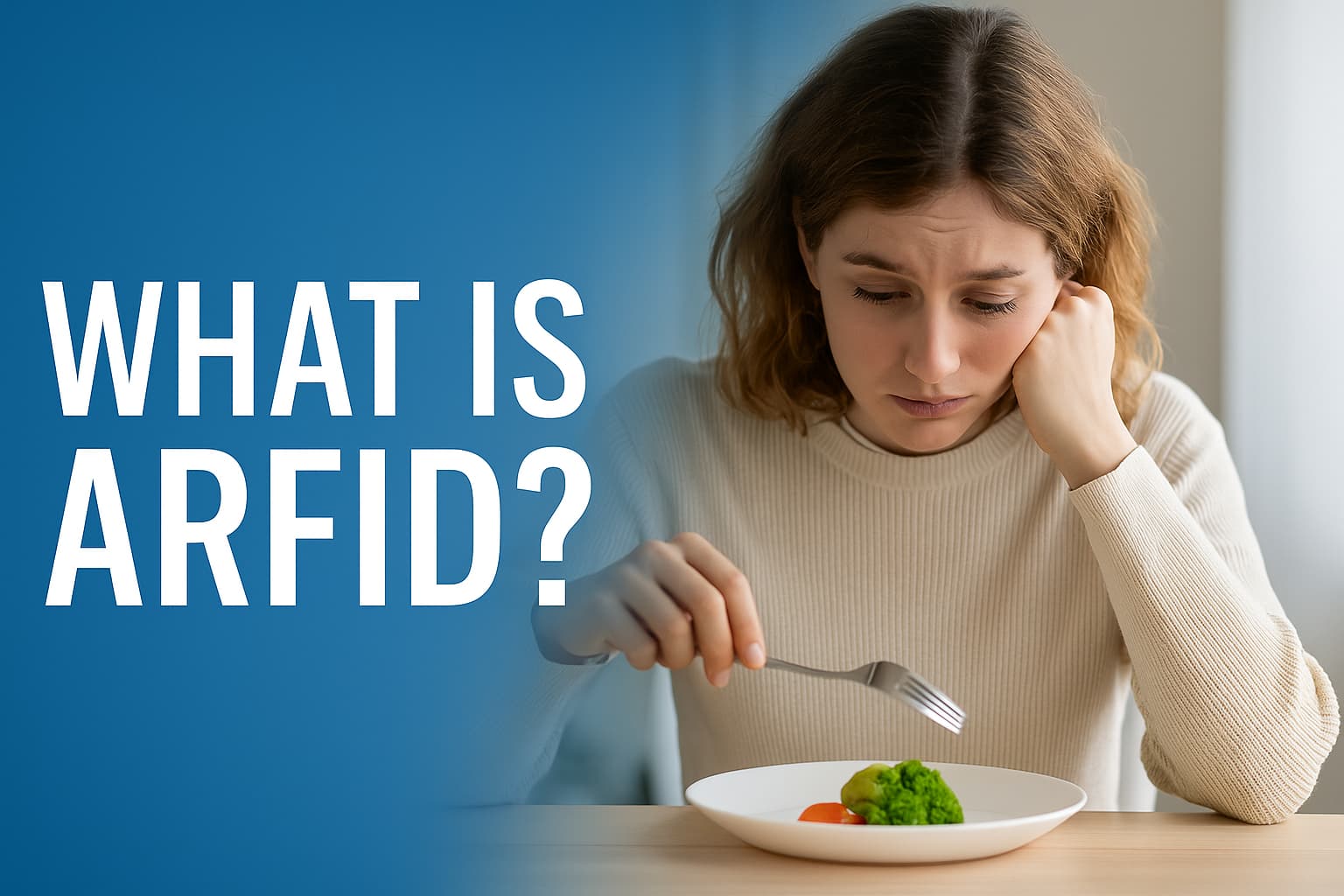
Avoidant/Restrictive Food Intake Disorder, or ARFID, is a relatively new diagnostic category in psychiatric medicine. It goes beyond picky eating—it involves restrictive or avoidant eating patterns that result in significant medical or psychosocial impairment, without concerns about body image or weight. Patients may avoid foods due to sensory preferences (texture, smell), fear of consequences like choking or vomiting, or simply lack of interest in eating. Unlike anorexia nervosa, ARFID is not driven by a desire to control weight or appearance.
Why is ARFID distinct from other eating disorders?
ARFID rates highly in its uniqueness: unlike anorexia or bulimia, the motivation in ARFID is not about body shape or self-image—it’s centered on sensory sensitivities, emotional fears, or lack of appetite. Nutritionally, ARFID may lead to weight fluctuation, growth failure in children, or micronutrient deficiencies. It is the eat behavior itself—not the mental image—that drives the disorder, making specialized diagnostic and treatment approaches essential.
Who typically develops ARFID, and when?
ARFID often begins in childhood, with parents noticing sudden or longstanding challenges around meals—refusal of many foods, extreme routines, or reliance on narrow diets. However, it can emerge at any age, especially after trauma like choking or a medical incident. While early-onset cases are common, I’ve seen adults develop ARFID after acute illness or even pandemic-induced food anxiety. Rates appear higher in patients with neurodevelopmental conditions like autism spectrum disorder, but ARFID can affect anyone.
What medical consequences does ARFID carry?
Unmanaged ARFID can result in serious health outcomes. Nutritional inadequacies can lead to anemia, hypovitaminosis (B12, D), electrolyte disturbances, and, in children, stunted growth or delayed puberty. Clinically, I’ve seen patients with bradycardia, orthostatic hypotension, and gastrointestinal discomfort from ultra-restricted diets. Beyond physical health, nutritional compromise impacts cognitive and emotional functioning—further reinforcing disinterest or fear around eating.
How is ARFID diagnosed?
Diagnosis involves a structured clinical interview, gathering a comprehensive medical and eating history, and evaluating nutritional intake. DSM-5 criteria require evidence of avoidant or restrictive food intake causing weight loss/failure to meet nutritional needs, or marked interference with psychosocial functioning. We also rule out other diagnoses: ARFID lacks body-image concerns, differentiating it from anorexia or bulimia; we look for co-existing medical or psychiatric conditions. A pediatric growth chart, lab data, and psychosocial assessment are common workflow tools.
What causes ARFID?
ARFID is multifactorial. Sensory hypersensitivities—like disgust at certain textures or smells—play a large role. Traumatic meals, such as choking incidents, can trigger phobic-based avoidance. Biological factors, including low interoception or appetite dysregulation, also contribute. Psychologically, anxiety, rigid habits, and family dynamics influence persistence. In many cases, multiple factors converge—requiring a holistic therapeutic approach.
What does treatment look like?
Effective ARFID treatment is multimodal. It begins with medical stabilization, addressing nutritional deficiencies or weight issues. Behavioral work—often using cognitive-behavioral therapy (CBT) or exposure-based approaches—is tailored to the individual’s reason for food avoidance, be that sensory fear or phobic response. Occupational therapists or meal therapists help rebuild food tolerance. Family-based models are effective in children. Importantly, persistence and flexibility matter—gradual exposure to new foods, consistent meal modeling, and psychosocial support are essential.
What challenges arise during therapy?
Several challenges arise when treating ARFID. First, ingesting new foods triggers intense distress—especially when fears are tied to choking or vomiting. Second, caregiver burnout is real; meal after meal with resistance can exhaust families. Third, progress can plateau, especially in sensory avoidant cases. Finally, coexisting conditions—anxiety, autism, medical fragility—add complexity. All of this requires a calm, structured, empathetic therapeutic environment.
What should caregivers know about supporting someone with ARFID?
Caregivers need realistic expectations: recovery is often slow and incremental. Modeling calm mealtime behavior matters. Encouragement—without pressure—is critical. Keeping a flexible but safe structure (like regular snacks and meals) helps reduce chaos. Celebrating small steps—like tolerating a new texture—builds momentum. Seeking professional support early reduces complications. And self-care matters—caregivers must access support themselves, whether through peer groups or therapy.
What role does sensory sensitivity play?
Sensory sensitivity is a central feature in many ARFID cases. A child who refuses crunchy foods may not be stubborn—they might detect an overwhelming tactile intensity. Research indicates atypical sensory integration may underlie these patterns. Visual, olfactory, gustatory, and tactile avoidance are often deeply rooted. Confronting this requires patience, creative food substitutions, and guided desensitization—often with the support of an occupational therapist.
How is ARFID connected to other mental health issues?
ARFID often co-occurs with anxiety disorders, neurodevelopmental disorders (like autism), OCD, or sensory processing disorders. The overlap demands coordinated care. Treating ARFID in isolation sometimes fails if anxiety or rigidity isn’t managed. In my experience, integrated care—addressing underlying anxiety or developmental differences and ARFID together—produces better outcomes.
What is the long-term outlook for patients with ARFID?
With early intervention, many patients recover fully: they expand their diets, restore nutritional health, and improve psychosocial functioning. Some continue to experience mild food selectivity—but it no longer impairs their life. Adult-onset cases may require longer therapy, but benefits occur with consistent effort. Long-term outcomes correlate with early treatment, family involvement, and therapeutic intensity.
How do we stay up-to-date with ARFID research?
Our team maintains ongoing literature reviews, attends conferences, and partners with research teams—including those studying neurobiology, anxiety, or sensory integration. We monitor emerging treatments like telehealth-exposure, nutritional supplementation protocols, or parent-led approaches. Staying informed ensures that our resources reflect best practices and cutting-edge research.
Final Thoughts from Dr. Ahmad Chaudry-Stevens
ARFID isn’t a trend—it’s a real, treatable condition that has historically been overlooked. True recovery grows from understanding the why behind avoidant eating—sensory perception, emotion, history—and building a compassionate structure around it. At EatingDisorderTreatment.Org, we strive to bring lightweight, web‑accessible clarity to this, backed by research and clinical experience.
About the Author
Dr. Ahmad Chaudry-Stevens, M.D.
Dr. Ahmad Chaudry-Stevens is a board-certified psychiatrist and clinical researcher specializing in eating disorders and anxiety-related conditions. A graduate of Johns Hopkins University School of Medicine, he completed his residency at Massachusetts General Hospital and a fellowship in adolescent psychiatry at Stanford University. Dr. Chaudry-Stevens has contributed to over a dozen peer-reviewed publications and currently leads a multidisciplinary treatment team at a major academic hospital.
With over 15 years of clinical experience, his work centers on advancing diagnostic clarity and compassionate treatment for underrecognized disorders such as ARFID. He serves as a senior medical advisor to EatingDisorderTreatment.Org, where he helps translate current research into accessible information for patients, families, and clinicians.